As National Golf Cart Day highlights the popularity of neighborhood cruising, Berkeley County officials stress registration, insurance, seat belts and speed-limit rules.
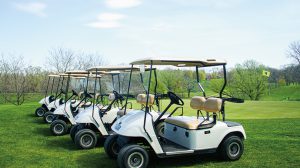
Golf carts have become a familiar part of everyday life across Berkeley County, South Carolina. From Cane Bay and Nexton to Moncks Corner and lake communities, residents use them for short neighborhood trips, amenity runs and casual rides that feel easier than firing up a full-size car. But as National Golf Cart Day celebrates how far the vehicle has come, local officials are reminding drivers of something less festive but far more important: a golf cart on a public road is still a motor vehicle.
That means rules apply. In South Carolina, a golf cart must be insured, permitted and registered with the South Carolina Department of Motor Vehicles before it can be operated legally on public streets. Drivers must carry the registration certificate and proof of liability insurance. The person behind the wheel must be at least 16 years old and have a valid driver’s license, according to the berkeleyobserver.com.
Children under 12 must wear seat belts when riding on public roads. Golf carts must also stay within four miles of the address on the registration certificate, or within four miles of the entrance to a gated community if the registered address is located inside one.
That four-mile rule can be especially relevant in large master-planned communities like Cane Bay, Nexton and Del Webb, where amenities, neighborhoods and retail areas can feel connected but still stretch over long distances.
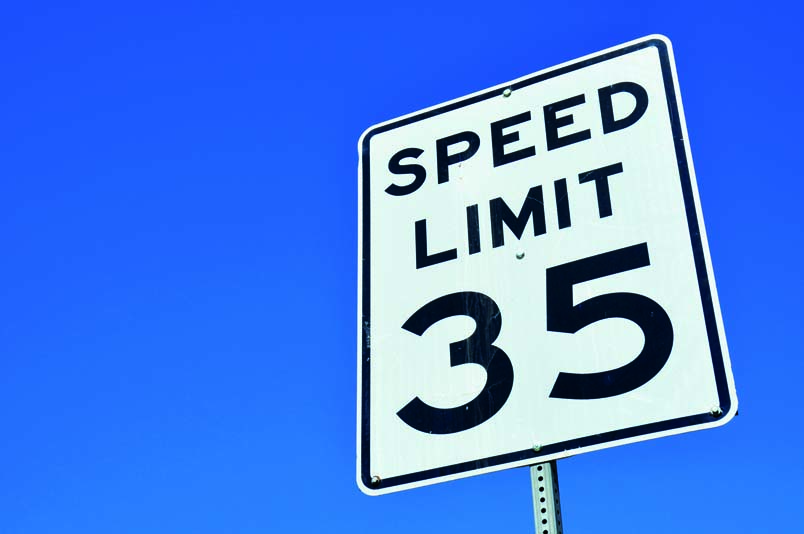
Golf carts are limited to roads with posted speed limits of 35 mph or less. The posted number matters. It does not matter if traffic feels slow or the road seems quiet. If the sign says more than 35 mph, the golf cart should not be there.
South Carolina also traditionally limited golf cart operation to daylight hours, although a change in state law on May 22, 2025, gave local and county governments more authority to create their own rules regarding hours, routes and methods of operation. Even with that added flexibility, the statewide 35 mph road limit remains in place.
The update gives communities more room to tailor regulations to local needs, but it also places responsibility on drivers to check county and municipal ordinances before assuming a cart is legal in a given area.
That matters in Berkeley County because growth has changed the road environment. Communities such as Carnes Crossroads, Cane Bay and Nexton have added residents, traffic and more low-speed vehicles. What once felt like a quiet neighborhood ride can now involve busier intersections, distracted drivers and crowded roads.
Local safety concerns often involve the same familiar issues: unlicensed drivers, nighttime use, overloaded carts, unrestrained children and travel on roads that exceed the legal speed limit. None of those problems require a complicated fix, but they do require drivers to treat the cart as something more serious than a toy.
The charm of a golf cart is easy to understand. It is open, slow, social and convenient. It makes a quick visit to a neighbor feel like part of community life instead of an errand. But that relaxed feeling can create false confidence.
Berkeley County’s message is not that residents should stop enjoying golf carts. It is that they should enjoy them legally. A permit, insurance, proper registration, a licensed driver and a little common sense can prevent a fun ride from becoming a costly or dangerous mistake.