The City of Mobile has approved a GPS-based fleet management system for Azalea City Golf Course that can warn drivers–and stop carts–before they enter restricted areas.
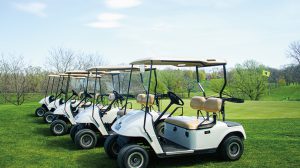
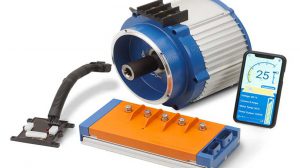
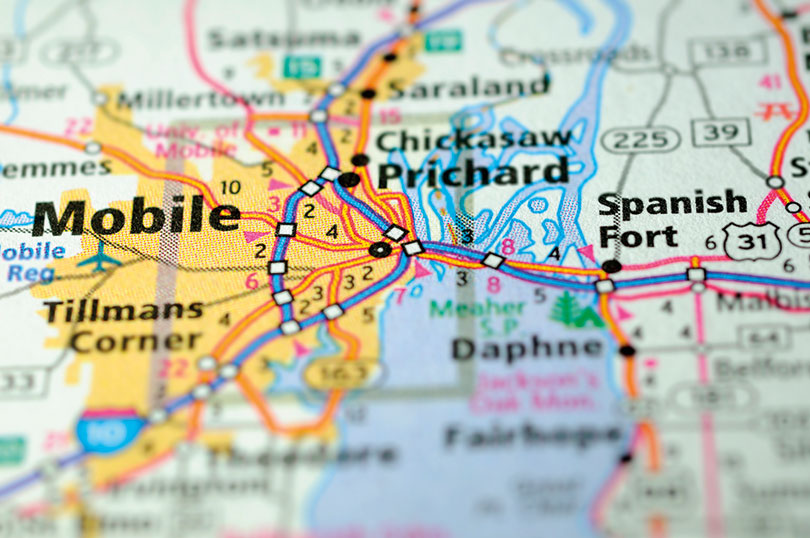
In Mobile, Alabama, a little technology keeps golf carts where they belong-and out of the places they don’t. The Mobile City Council approved a contract with Tagmarshal International Ltd. for a GPS-based geofencing system at Azalea City Golf Course. The technology will allow the city to establish virtual boundaries around greens, driving tees and other protected areas. When a cart approaches one of those locations, the system can issue a warning. Continue heading in the wrong direction and the cart can be stopped.
The initial contract is valued at a little more than $68,000, with approximately $13,000 in additional costs every other year. City officials believe preventing course damage could make the expense worthwhile. Public Works Executive Director Shonnda Smith said Mobile has already made significant investments in the course, including nearly $1 million addressing erosion problems and constructing berms. Golf cart traffic in sensitive areas adds another maintenance concern.
The technology provides an alternative to ropes, barriers and signs, all of which can protect turf but also change the appearance of the course. Instead, GPS establishes boundaries golfers cannot see until the cart alerts them.
Mobile Mayor Spiro Cheriogotis acknowledged he has encountered similar systems himself while playing unfamiliar courses. Once the cart shuts down near a restricted zone, there is generally one option: reverse out. That minor inconvenience for the driver can prevent a much larger headache for course maintenance crews.
The system will also allow carts to be monitored from the clubhouse. Smith said that capability could become useful during medical emergencies because staff can identify a cart’s location and respond more quickly.
GPS fleet management and geofencing are already used at courses around the country, particularly as operators look for ways to protect turf while also managing increasingly sophisticated cart fleets. At Azalea City, the idea emerged from a steering committee working on a long-range master plan for the municipal course.
And while virtual boundaries may lack the drama of a rope stretched across the fairway, that is really the point. Golfers get an unobstructed course, maintenance crews get additional protection and anyone trying to take a shortcut across the wrong patch of grass may discover that the cart has other plans.