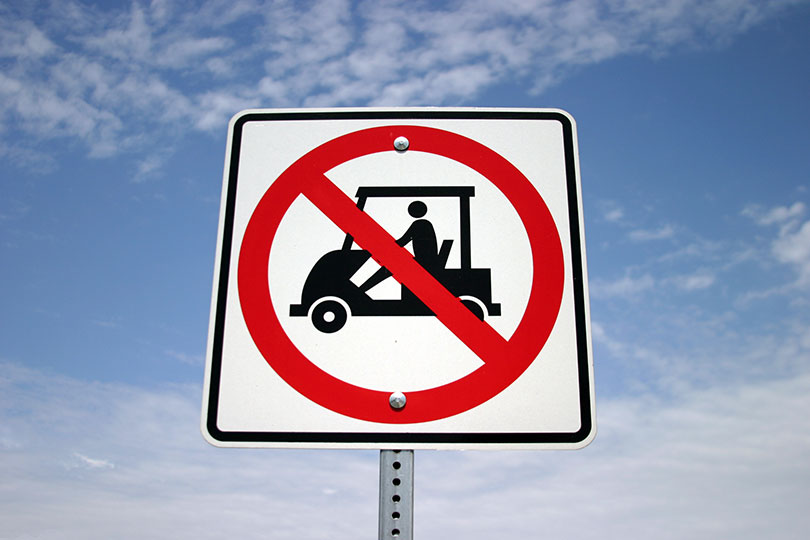
After warning families that ordinary golf carts could not legally be used for school pickup, Maitland police say the opening days of the new school year brought low-speed vehicles instead– and almost no enforcement action.
The school pickup line in Maitland, Florida, looks a little different this year.
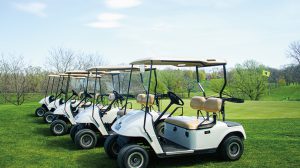
Near the end of the previous school year, the Maitland Police Department began warning families about the difference between traditional golf carts and street-legal low-speed vehicles. Officers had noticed more non-street-legal carts being used around schools and said complaints involving reckless operation and underage drivers were also increasing.
Rather than begin with citations, police chose education. Families were told that carts used on public roads needed to comply with state requirements governing low-speed vehicles. Those unwilling to make the conversion would need another way to reach campus.
The early results suggest the message landed. During the first days of the new school year, police said they did not see ordinary golf carts at the school. Officers observed low-speed vehicles instead, issuing only one warning and no citations. Officer Daniel Holland said public safety was the main concern, particularly as golf cart use became more common around school zones.
The change has required some families to rethink their routines. Maitland parent Eric Carlon said his golf cart is now staying in the garage while his family relies on bicycles or walking. Another parent, Harry Pool, said he received an estimate of roughly $1,800 to convert his cart to street-legal specifications.
Pool said he understands concerns involving young drivers but questioned whether parents using carts for school transportation created the same level of risk.
That debate is unlikely to disappear as golf carts and low-speed vehicles become more common in Florida communities. The distinction between the two may seem minor from the curb, but legally, the equipment requirements and where each vehicle can be driven can be very different.
For Maitland police, the golf cart effort could now become a blueprint for another growing transportation issue around schools: e-bikes and e-scooters. Holland said officers hope to use a similar education-first strategy for micromobility devices, particularly when dealing with younger riders who may not understand traffic laws.
The city does not currently plan to create its own separate micromobility rules and is instead watching for additional guidance at the state level.
For now, Maitland’s golf cart campaign offers a fairly unusual enforcement success story: tell people the rules before reaching for the ticket book and see whether they listen. So far, they appear to have done exactly that.