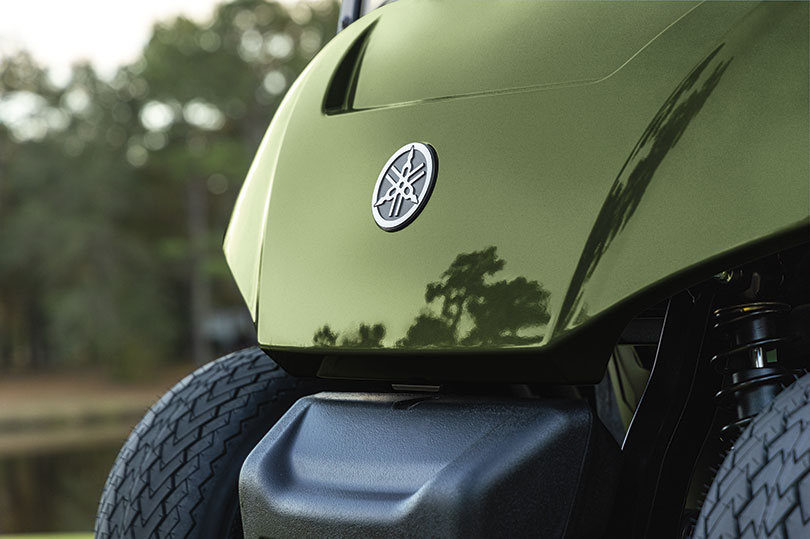
Maryville’s decision to overhaul its 75-car fleet reflects a growing nationwide shift toward quieter, cleaner, more efficient golf cars and opens new opportunities for dealers watching the municipal and resort markets expand.
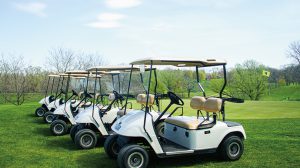
Municipal fleet upgrades are often quiet, procedural decisions, but every so often a city offers a clear signal about where the broader industry is heading. Maryville, Missouri delivered exactly that when the City Council unanimously approved a new four-year lease with Masek Golf Car Company to refresh the entire Mozingo Lake Recreation Park fleet with Yamaha’s latest Drive2 QuietTech models. For dealers, the move is more than a routine contract renewal: it’s evidence that golf courses, parks, and recreation departments are actively prioritizing smoother rides, improved efficiency, and elevated customer experience.
Mozingo oversees one of the region’s most popular public golf operations, and the decision to replace its 2021 fleet ahead of the curve shows a commitment to consistency and quality. The new agreement covers 75 vehicles, including five utility cars, three maintenance units, one range picker, and a beverage car (a full operational suite designed to support both the guest experience and the behind-the-scenes work that keeps a busy course running). At nearly $400,000, it’s a substantial investment, but one that signals strong confidence in upgraded technology and modern service expectations.
The centerpiece of the fleet is Yamaha’s Drive2 QuietTech model, widely recognized for its near-silent gas operation. For many public facilities, electric fleets are desirable but not always practical due to charging infrastructure limitations or varying seasonal demands. QuietTech has emerged as a popular solution: a gas vehicle that behaves like an electric one in terms of noise, smoothness, and guest comfort. That combination continues to appeal to municipalities that need the reliability of fuel-powered units with the refined feel their players expect.
For dealers working in areas with city-funded golf courses or regional parks, this kind of purchase should raise attention. Facilities with strong year-round play are looking for cars that reduce downtime, lower long-term maintenance costs, and deliver a consistent experience to high volumes of visitors. QuietTech addresses all three, and the Mozingo contract offers a case study in how dealers can position these models when working with local governments or course operators.
Equally notable is the structure of the lease. Instead of holding onto the 2021 fleet past its functional prime, Mozingo opted for a four-year replacement cycle. That timeline is becoming increasingly common among competitive public and semi-private courses; it minimizes repair expenses and ensures guests never feel like they’re renting dated equipment. For dealers, shorter cycles translate into predictable repeat business and opportunities to build long-term public-sector relationships.
The supporting vehicles included in the agreement also highlight something important: recreational facilities want unified fleets from single trusted suppliers. The utility cars, maintenance units, picker, and beverage cart all coming through Masek indicate that consolidated sourcing is a growing preference. Dealers who can provide full-suite solutions (not just passenger cars) stand to capture more municipal contracts.
While the council meeting itself was routine, the decision reflects broader industry momentum. Courses across the country are increasingly elevating their fleets to match customer expectations, grow membership, and compete with private facilities. Guests are no longer satisfied with loud, aging gas units. They want smoother rides, enhanced comfort, and a premium feel, even from a municipal course.
Mozingo’s upgrade underscores the reality: whether in bustling urban markets or quiet Midwest communities, the modern golf car has become a frontline experience touchpoint. Cities willing to invest in better vehicles tend to see it reflected in repeat visitors, tournament bookings, and overall course satisfaction.
For dealers, that’s not just a trend — it’s an opportunity.