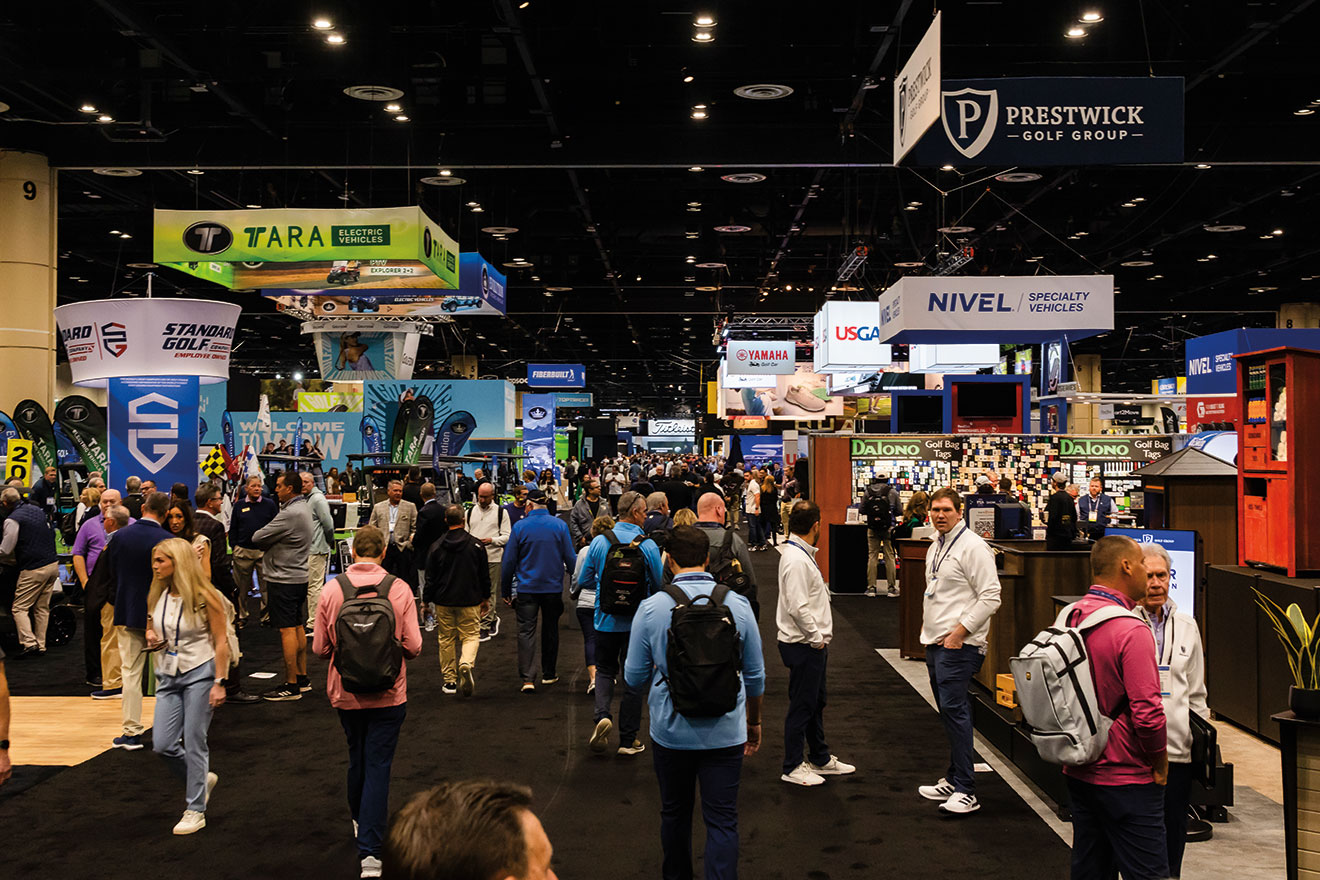
The 73rd PGA Show, held January 20–23, 2026 offered a clear snapshot of where the golf cart segment now sits within the broader golf industry.
No longer positioned as a secondary operational tool, golf cars emerged as a defined and increasingly strategic category, reflecting how facilities, resorts, retailers, and communities are rethinking mobility, revenue, and guest experience.
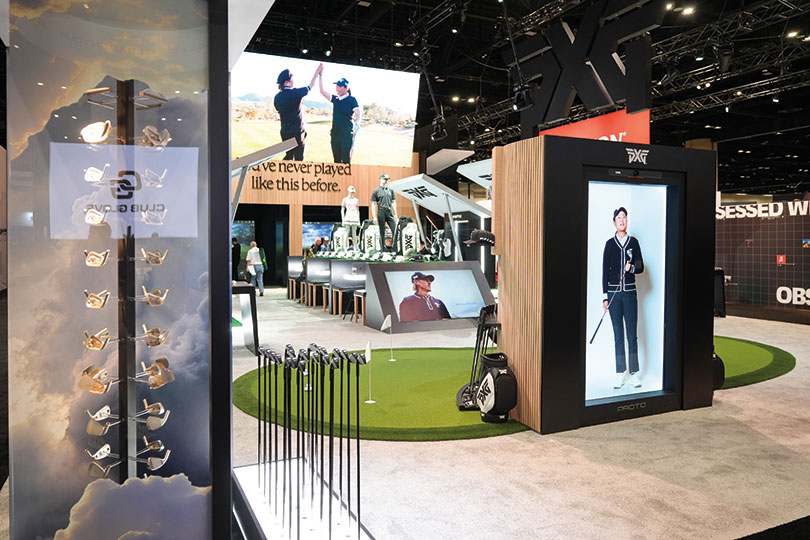
With more than 34,000 industry professionals in attendance and 1.1 million square feet of exhibition space, the PGA Show reached its largest footprint since 2009 for the second consecutive year. Across those aisles, golf cars and car-related technologies occupied prominent space, drawing sustained traffic from operators, buyers, and manufacturers focused on fleet investment, customization, and long-term performance.

Golf course operators and facility managers approached the category with a practical lens. Conversations centered on durability, lifecycle costs, battery performance, maintenance requirements, and safety features. Manufacturers highlighted refinements in chassis design, suspension, braking systems, and weather protection, underscoring how cars are engineered to meet the demands of daily use across varied terrain and climates.

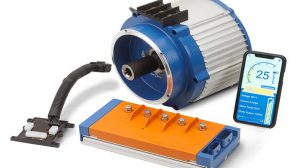
Electric power dominated the segment, with lithium battery systems positioned as the standard rather than an upgrade. Exhibitors emphasized extended range, reduced charging time, lower maintenance needs, and total cost-of-ownership advantages. Sustainability considerations followed naturally, with quieter operation and reduced emissions aligning with the expectations of modern clubs, resorts, and residential communities.
Technology integration was another defining theme. Fleet management software, GPS systems, diagnostic tools, and speed-control technologies were showcased as solutions that allow operators greater oversight and efficiency. These systems enable real-time monitoring, preventative maintenance planning, and improved safety protocols, all of which are increasingly important for facilities managing large or multi-use fleets.
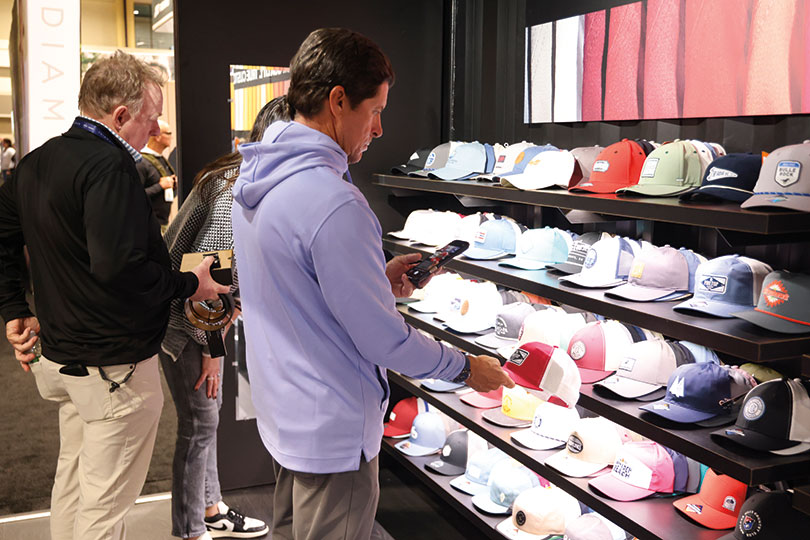
Customization played a measurable role in the category’s growth. Lift kits, premium wheels, lighting systems, upgraded seating, enclosures, storage solutions, and sound systems were presented not as novelties, but as core components of car programs. Retailers and operators discussed bundled accessory packages designed to increase per-unit value while tailoring cars to specific environments, whether golf courses, resorts, gated communities, or event venues.

The PGA Show also highlighted how golf cars are extending beyond traditional course use. Exhibitors and buyers referenced growing demand from residential developments, hospitality properties, and mixed-use facilities. As golf-adjacent environments expand, cars are increasingly used for transportation, maintenance, guest services, and security, reinforcing their role as multi-purpose assets.
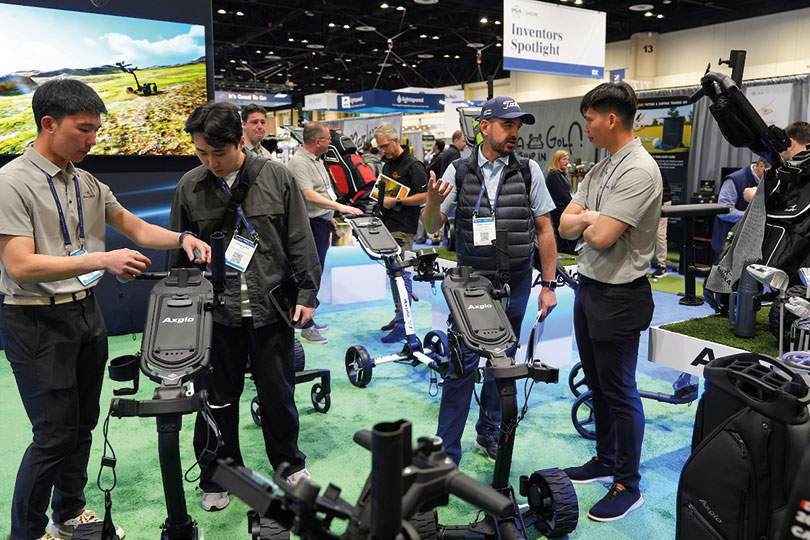
Accessory suppliers reflected this expansion with a mature and well-defined product mix. Floor mats, mirrors, enclosures, performance upgrades, and weather-resistant components were positioned as essential equipment rather than optional add-ons. The accessory segment demonstrated how incremental upgrades contribute to revenue growth and improved user experience over the life of a car.

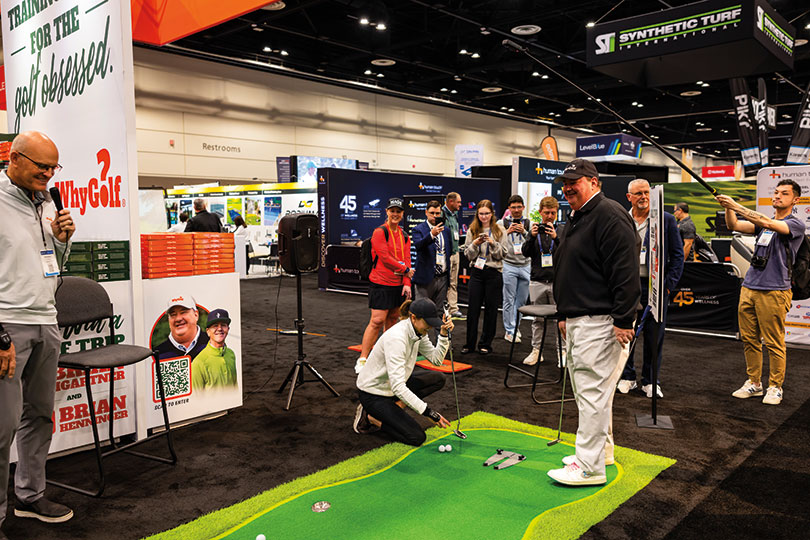
Education and on-floor discussions reinforced the category’s operational importance. Facility leaders shared insights into fleet optimization strategies, including replacement timing, refurbishment versus new acquisition, and standardization across properties. Retail-focused conversations addressed consumer demand trends, pricing strategies, and after-sale service models.
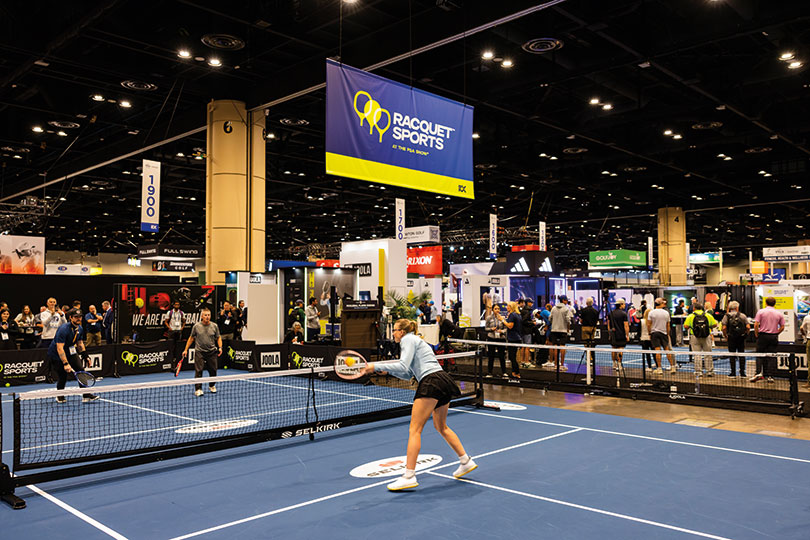
The broader evolution of the PGA Show provided context for the golf car category’s prominence. As facilities diversify offerings and focus on year-round engagement, efficient on-property transportation has become a functional requirement. Cars now support not only golfers, but staff, residents, and visitors across larger, more complex properties.

The scale of the 2026 PGA Show underscored this shift. With nearly 1,200 participating brands and more than 1,300 VIP buyers representing 910 facilities and retailers, purchasing conversations reflected serious intent. Those buyers brought approximately $975 million in purchasing power and nearly $2.4 billion in retail sales potential to the Show, reinforcing the commercial significance of categories such as cars and mobility solutions.

By the close of the week, the takeaway was clear and grounded in data rather than speculation. Golf cars are no longer treated as background infrastructure within the industry. They represent a growing business segment shaped by advances in electric power, technology integration, customization, and cross-market demand. The 73rd PGA Show demonstrated how that segment continues to evolve alongside the modern golf facility, positioning cars as essential, revenue-aware, and increasingly sophisticated components of the golf ecosystem heading into the 2026 season.