Unseasonably warm conditions are changing the golf calendar in Eastern Idaho, offering rare winter play and new challenges.
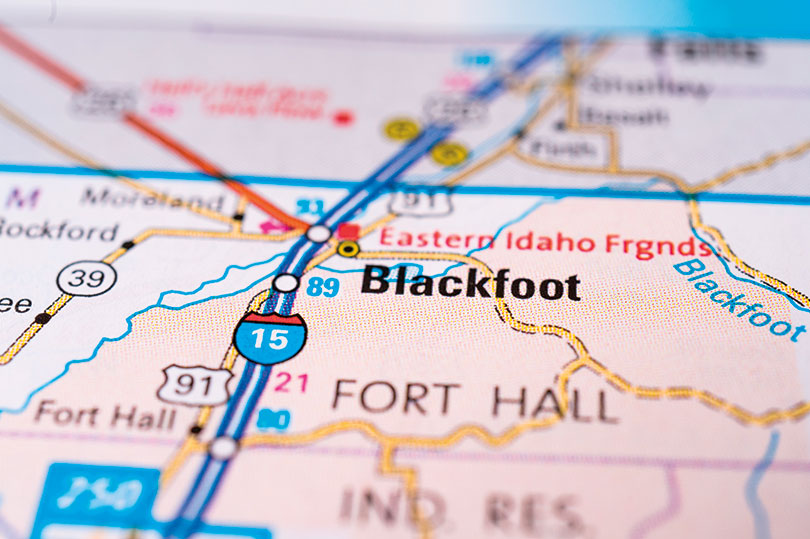
In early February, golfers at Blackfoot Golf Course were doing something almost unheard of in Eastern Idaho: teeing off. No snowbanks. No frozen fairways. Just open turf and eager players.
“It’s been a weird winter,” said General Manager Preston Hafer. “We haven’t had any snow at all, and the phones have been ringing nonstop.”
On February 3, Blackfoot officially opened its back nine, marking the earliest opening Hafer can remember. While play is limited to walking only due to lingering moisture, the early access has brought unexpected energy (and revenue) to the city-owned course.
Traditionally, Idaho golf courses don’t reopen until April. Heavy snowpack and frozen ground usually dictate the calendar. This year, dry conditions flipped the script.
According to Local News 8, the early opening offers more than financial upside. Hafer, who previously served as course superintendent, said maintenance crews are getting a rare head start on seasonal improvements. That could pay dividends later in the year, particularly with summer tournaments on the horizon.
“We can get ahead of the game,” Hafer said. “That’s a big advantage.”
Blackfoot isn’t alone. Courses across the region (including Riverside in Pocatello, Sage Lakes and Pine Crest in Idaho Falls, and facilities in Rexburg) have also opened earlier than usual.
Motorized golf cars remained off the turf to protect grass health. Walking-only play helped prevent compaction and damage during a time when the ground hasn’t fully dried. Still, golfers appeared more than willing to adapt.
Inside the clubhouse, season pass sales were brisk, equipment audits were underway and staff are cautiously optimistic. But Hafer was quick to temper expectations.
“Idaho weather can turn on a dime,” he said.
The early openings also raised broader questions about climate patterns and how golf operations may need to adapt. Longer seasons could mean changes to staffing, maintenance schedules and capital planning. But for now, many are simply enjoying the opportunity.
In a region where winter golf is usually a novelty at best, February tee times feel like a small gift from an unpredictable season.