After a destructive fire wiped out an entire fleet of golf cars, Wapicada Golf Club is moving forward with a larger facility, brand-new cars, and renewed optimism for the season ahead.
Golf courses are used to unpredictable hazards. Rain delays, frost advisories, irrigation problems, angry geese, and the occasional golfer attempting to drive a car somewhere it absolutely should not go all come with the territory. A catastrophic fire destroying an entire golf car fleet, however, tends to sit in a category all its own.
That became reality for Wapicada Golf Club in Sauk Rapids, Minnesota, after a blaze tore through the club’s car storage facility, according to WJON.com.
The fire reportedly caused extensive damage to the golf car garage, wiping out every car stored inside. According to General Manager Brad Deyak, the entire fleet was damaged beyond repair and ultimately had to be replaced.
For most golf facilities, losing dozens of cars heading into an offseason would create major operational stress. Golf cars are no longer just a convenience. They are central to daily course operations, pace of play, member satisfaction, tournaments, outings, maintenance logistics, and revenue generation.
Without them, even simple tee sheet management becomes significantly more complicated.
Wapicada managed to push through the remainder of the season by renting replacement cars from various outside sources, a solution that worked temporarily but underscored the importance of rebuilding quickly.
Now, the club is preparing for a fresh start.
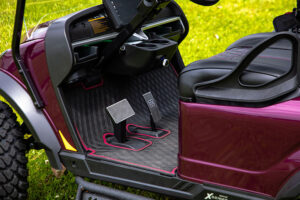
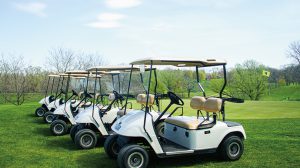
The new car garage is being rebuilt near the first tee box in the same location as the original structure, but this time with expanded capacity. Deyak says the replacement building will be approximately 30 feet larger than the previous version and designed to accommodate an upgraded fleet of 80 new golf cars, including 50 electric cars and 30 gas-powered models.
In addition to the club-owned fleet, the facility will also provide storage for roughly 30 privately owned member cars.
That detail reflects a larger reality in modern golf culture. At many clubs, personal golf cars have become increasingly common, particularly among regular members who want convenience, customization, and familiarity during every round. Dedicated car storage has become almost as important as locker rooms at some facilities.
The rebuilding process has naturally attracted attention throughout the local golf community, particularly because Wapicada has long served as a regional gathering point for players in the St. Cloud area.
Golf courses often function as more than recreational spaces. They become social anchors, business meeting grounds, weekend traditions, and community landmarks rolled into one. When something disrupts operations at a long-standing club, people notice.
That timing is especially important as Minnesota courses prepare for the beginning of another golf season.
The Upper Midwest golf calendar always carries a sense of urgency. After months of snow, freezing temperatures, and staring longingly at golf highlights on television, players tend to flood courses the moment temperatures become remotely playable. Spring openings often feel less like sporting events and more like emotional release valves.
The upgraded car fleet itself also reflects broader changes taking place throughout the golf industry. Electric golf cars continue gaining popularity thanks to quieter operation, reduced maintenance demands, and environmental considerations. Many clubs now operate mixed fleets while gradually transitioning toward more electric options over time.
At the same time, many facilities still rely on gas-powered cars for specific terrain conditions, operational flexibility, and longer uninterrupted usage during busy tournament schedules.
The combination of 50 electric and 30 gas cars suggests Wapicada is balancing modernization with practicality.
While the fire created a major setback, the rebuilding effort may ultimately leave the club in a stronger position than before. Larger facilities, updated equipment, expanded storage, and a brand-new fleet rarely arrive all at once unless circumstances force dramatic change.