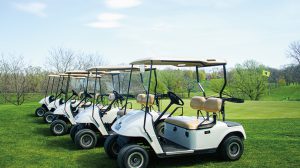
Predictable fleet movement and centralized parking could make golf facilities well suited for hands-free charging of golf carts and other electric vehicles.
Golf courses could become an early proving ground for large-scale wireless electric vehicle charging, according to WiTricity AI Tech, LLC. The Stuart, Florida-based company is promoting magnetic resonance wireless charging for golf cart fleets, where vehicles operate on predictable schedules and return frequently to centralized parking areas.
That routine creates an opportunity to charge vehicles automatically whenever they are parked rather than relying solely on staff members to connect charging cables.
“At a golf course, vehicles are constantly cycling between use and rest,” WiTricity AI Tech CEO Joe Benz said. “Wireless charging allows those vehicles to charge whenever they’re parked — without relying on staff to plug them in. Over time, that changes how fleets are managed.”
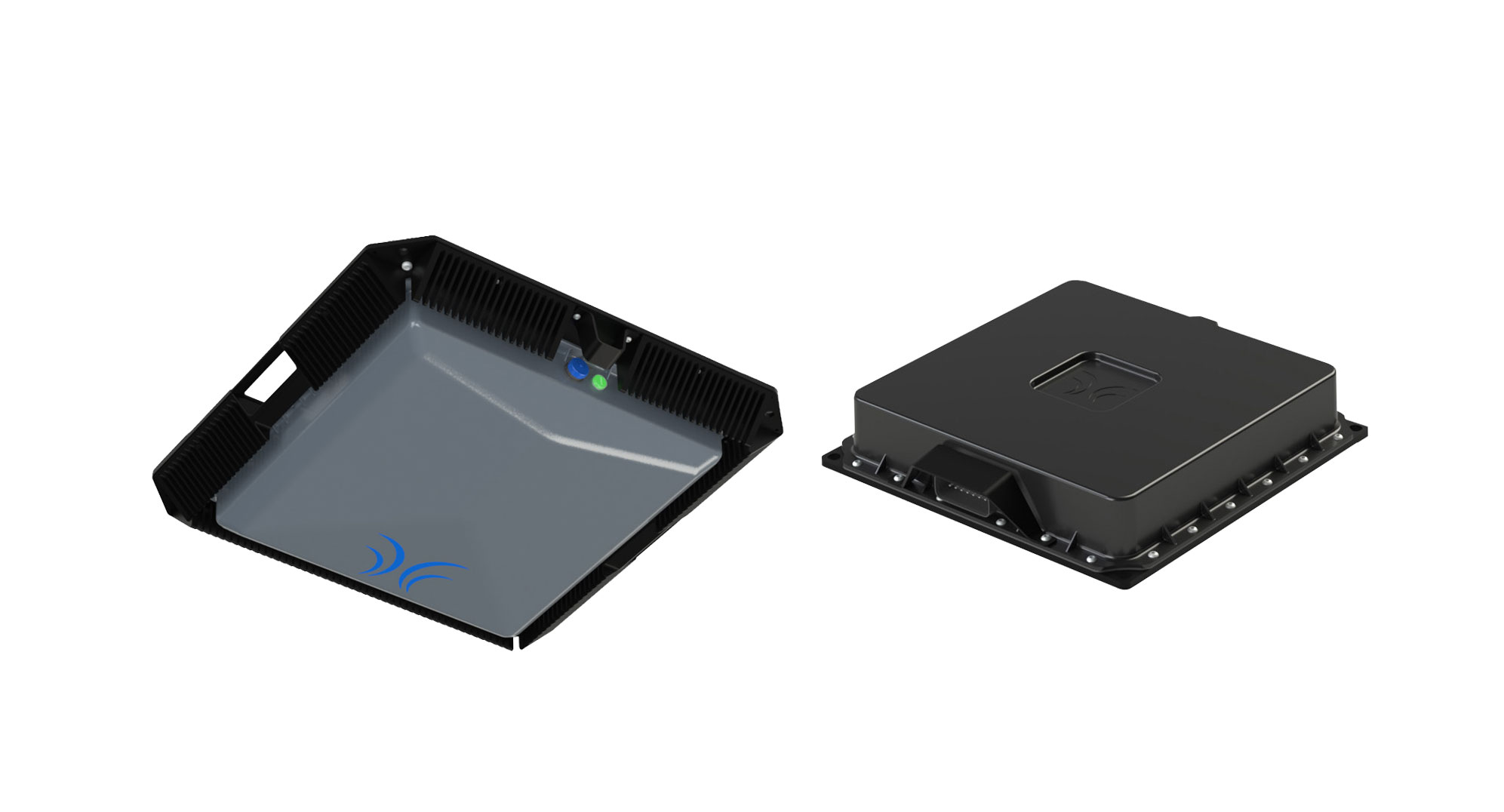
The company’s MR/1 system is designed for light electric vehicles, including golf carts. The technology transfers power wirelessly when a properly equipped vehicle is positioned over a charging pad. Carts can therefore recharge during periods when they would otherwise be sitting between rounds or waiting for their next assignment.
For courses operating large fleets, WiTricity believes those smaller charging opportunities could help maintain battery levels and vehicle availability throughout the day. Wireless charging also eliminates the repeated plugging and unplugging of connectors, potentially reducing wear and removing charging cables from cart storage areas. WiTricity says the MR/1 system automatically stops delivering power when the battery reaches a full charge.
Another possible advantage is space utilization. Without the need to leave room for employees to access plugs and charging cables, golf facilities may be able to organize cart barns differently and park vehicles more efficiently.
The company is also looking beyond golf carts. WiTricity has developed an 11-kilowatt wireless system intended for passenger vehicles and larger electric fleet applications. That higher-power system has not yet been deployed on golf courses, but the company sees potential for wireless charging infrastructure eventually to support maintenance vehicles, employee transportation and other EVs operating on the property.
Golf facilities provide an interesting setting because so much of vehicle movement is repetitive. Carts go out. Carts come back. Carts park. If charging can happen during that last part without anybody thinking about it, WiTricity believes the golf course could become one of the clearest demonstrations of how wireless EV charging works in everyday fleet use.