On one tiny Massachusetts island, golf cars are as common as groceries off the ferry. Now officials are trying to figure out how to keep that charm without letting safety slide.
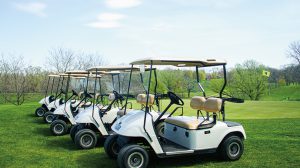
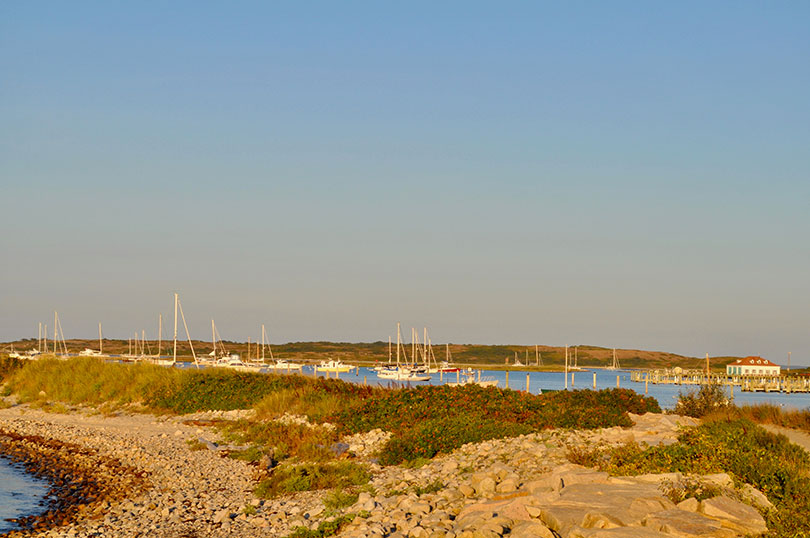
On Cuttyhunk, the golf car is not a novelty. It is transportation, utility vehicle, luggage hauler, grocery shuttle, beach runner, and in some cases, the closest thing the island has to a family car. With only about two miles of road and a square-mile footprint, this tiny island in the town of Gosnold seems built for them. The cars move people from the ferry landing to their homes, to the church, the raw bar, the beach, and back again. They are practical, low-impact, and for decades have fit neatly into the island’s low-key rhythm.
The problem, according to some town officials and residents, is that they may now fit a little too neatly.
As the number of golf cars on Cuttyhunk has grown, so have concerns about reckless driving, overcrowded cars, missed stops, noisy behavior, and the uneasy sense that the whole thing could eventually end badly. Town leaders are not trying to ban golf cars. In fact, several have openly said doing so would damage the island’s character and likely create even bigger headaches. What they are trying to do is something much trickier: regain a little control over something that is already deeply woven into everyday life.
“We need to do something about it,” said Sarah Berry, chair of the select board for Gosnold. Her concern, she said, is rooted in safety.
That concern is not exactly new, according to Vineyard Gazette. Berry and others acknowledge that the issue tends to flare up every summer, right around the time the island population swells from a small group of year-round residents to several hundred people. The cycle is almost comical in a very New England sort of way: everyone gets annoyed, vows to finally fix it, then the season ends and the urgency fades with the tourists. This time, though, officials seem more serious about trying to find an answer.
The challenge is legal as much as practical. By the letter of the law, golf cars are not technically allowed on the roads at all, which leaves the town in a strange bind. Because they are already outside the rules, the town has fewer ways to regulate them directly. That has pushed officials into a conversation with legal counsel and prompted them to look at how other communities have handled similar situations.
Select board member Stewart Young has described the issue as perennial, pointing to noise, crowding, and basic road safety. He and others are exploring whether stronger advisories, clearer signage, or informal operating rules might at least reduce the riskiest behavior. That may not sound dramatic, but on an island where local culture often matters more than strict enforcement, persuasion may be the more realistic tool.
Others on Cuttyhunk have their own ideas. Dale Lynch, who runs the so-called Golf Cart Hospital and has repaired cars for two decades, says the issue is not new and believes part of the solution lies in clearer road markings and more visible rules. He already posts operating instructions on his rental golf cars and has suggested the town distribute similar guidance throughout the summer. In his view, some of the outrage comes from a smaller group of summer residents who are quick to blame tourism for every inconvenience.
An island survey that drew more than 250 responses points to a broader concern: too many people at peak times and not enough infrastructure or personnel to keep things orderly. That creates pressure to educate visitors and residents alike about expected behavior. Some have floated the idea of registration, though enforcement would be difficult under current state law unless the town required more expensive street-legal vehicles with seat belts and registrations. That solution, however, risks defeating the original appeal of simple golf cars in the first place.
So here sits Cuttyhunk, wrestling with a familiar island problem: how to preserve a beloved way of life without pretending the strain is not there. No one seems eager to turn the place into a parade of regular cars. No one wants visitors to feel unwelcome. But no one wants a preventable accident, either.