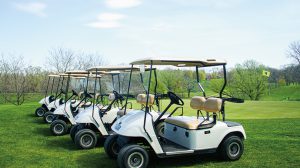
A photo snapped of a golf car parked inside a handicapped accommodation zone in The Villages sparked frustration.
One of the stranger side effects of golf car culture becoming mainstream is that people occasionally forget these little vehicles still fall under the category of “traffic.” Cute does not automatically equal considerate. That reality was on full display recently in The Villages, Florida, where a golf car driver managed to park directly inside a handicapped accommodation zone, prompting criticism from residents and parking patrol volunteers alike.
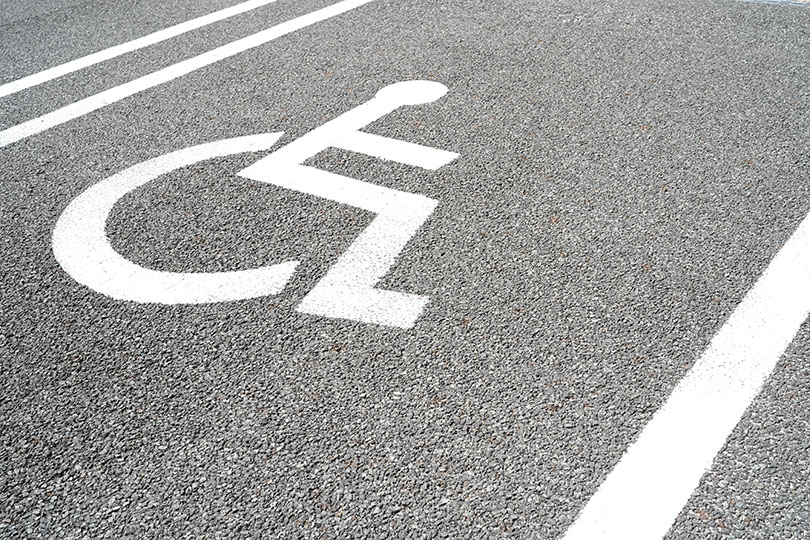
The photo, captured by a member of the community’s Parking Patrol and as reported on Village-News.com, shows the golf car occupying the striped buffer space next to a handicapped parking spot rather than a legal parking space itself. Those striped zones are not decorative pavement art. They exist to provide wheelchair access, allow ramps to lower safely and give disabled individuals the room they need to enter and exit vehicles without unnecessary obstacles.
In other words, parking there completely defeats the purpose.
The incident might sound minor to some people, especially in a community where golf cars are as common as bicycles, but accessibility advocates would argue it represents a much larger issue. As golf cars increasingly blend into everyday transportation, some drivers appear to treat them with less seriousness than traditional automobiles. The relaxed culture surrounding them can sometimes blur the lines between convenience and responsibility.
And nowhere is that more obvious than in communities like The Villages, where golf cars are woven directly into daily life.
The massive retirement development has built an entire identity around golf car transportation. Residents use them for shopping, dining, doctor appointments, recreation, and social events. Dedicated paths crisscross the community, and customized golf cars have practically become personal brands on wheels. Some resemble vintage cars. Others feature elaborate paint schemes, upgraded sound systems, and enough accessories to rival a small yacht.
But as the number of golf cars grows, so do the complications that come with operating them in dense public spaces.
Parking etiquette has increasingly become part of that conversation. Unlike traditional vehicles, golf cars are small enough that some operators assume they can squeeze into spaces that would otherwise be considered off-limits. The logic often seems to be, “Well, I’m not taking up much room.” Unfortunately, accessibility zones are not about vehicle size. They are about functional clearance for people who physically need extra space.
Blocking that access can create real challenges for disabled residents trying to navigate daily life independently.
The issue also reflects a broader adjustment period happening in golf car communities nationwide. These vehicles may feel casual, but they are becoming deeply integrated into real transportation systems. That means drivers are expected to follow the same standards of awareness, courtesy, and legal compliance required of anyone operating a vehicle in public.
And yes, that includes understanding what the striped blue lines next to handicapped parking spaces actually mean.
The irony is that golf cars themselves are often celebrated for improving mobility, particularly among older residents. For many retirees, they provide freedom, independence, and a convenient way to remain socially active without relying on larger vehicles. They are easier to enter, easier to maneuver, and far less intimidating than navigating busy roads in full-sized cars.
Which makes misuse of accessibility zones feel especially tone-deaf within communities built around active aging and mobility support.
There is also a social layer unique to places like The Villages. Residents tend to notice everything. A questionable parking job rarely disappears quietly when an entire community operates at golf car speed and spends significant time outdoors. Word travels fast. Photos travel faster.
In this case, the image became less about publicly shaming one driver and more about reminding residents that the same rules apply regardless of vehicle type. A golf car may feel informal, but accessibility regulations are not optional suggestions.
As golf cars continue evolving from recreational toys into legitimate transportation tools, communities will likely face more conversations like this one. Infrastructure, parking standards, and enforcement policies are all adapting in real time to accommodate the growing presence of low-speed vehicles.
The transition comes with occasional growing pains. Sometimes those growing pains look like traffic congestion. Sometimes they involve underage drivers. And sometimes they involve somebody parking a golf car exactly where they absolutely should not.
Either way, the message remains fairly simple: if a space exists to help someone safely access their vehicle, maybe do not park in it because your golf car “fits.”