Along South Carolina’s beach communities, golf cars are back in full force, but drivers are being reminded that these low-speed favorites still come with real rules, real limits, and real legal responsibility.
Every summer, the Grand Strand starts to look like itself again. The weather softens, the beach traffic thickens, and before long the golf cars come rolling back into view, packed with sunscreen, folding chairs, grocery bags, and the occasional family dog who seems convinced it owns the place. Along this stretch of South Carolina coast, golf cars are practically part of the scenery. But convenience has a funny way of making people forget that these things are still vehicles, not toys, and certainly not free passes to ignore the law.
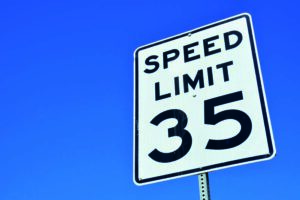
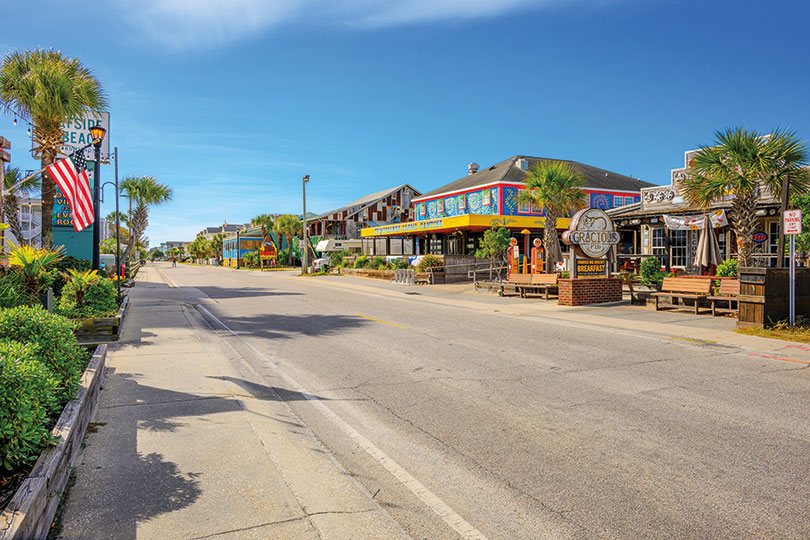
According to WPDE, that reminder is arriving right on cue and golf car use ramps up across beach communities like Surfside Beach and beyond. Under South Carolina law, golf cars are permitted only on roads with posted speed limits of 35 miles per hour or less. That means no highways, no freeways, and no pretending that “it was just a short cut” is going to charm anyone writing a citation.
Chris Graul, general manager of Gone Coastal Carts, says the rules are fairly straightforward, even if not everyone follows them. In places like Surfside Beach, staying legal usually means sticking to smaller secondary roads and steering clear of the major routes. There are also clear restrictions tied to time of day. Golf cars may be driven after dark only if they have working headlights and taillights. If they do not, they need to be off the road by 8 p.m. In a beach town where dinner runs late and people lose all sense of time the second sandals go on, that matters.
Then there is the permit requirement. Drivers need a golf car permit from the DMV, which costs five dollars. It sounds almost laughably cheap, but the permit is what gives the operator the legal right to be on public roads. It also requires the car to be insured. That is where people sometimes start to look slightly less relaxed. Once insurance enters the conversation, the golf car suddenly stops feeling like a glorified beach wagon and starts sounding more like what it actually is: a motor vehicle with legal consequences.
The state also imposes a distance limit. If a golf car is operating under a permit, it cannot be driven more than four miles from the owner’s residence. That rule tends to surprise people, especially visitors who assume they can bounce around the coast indefinitely. But it is one of the more important restrictions on the books, and one of the easiest to violate if no one has bothered to read the fine print.
Equipment matters, too. A legal golf car must include red reflectors, mirrors on both sides, a VIN, and a horn. And recent state law updates added one more important safety measure: children under 12 must wear seat belts, and drivers must be at least 16 and licensed.
All of this adds up to a useful reality check. Yes, golf cars are a convenient way to get around the beach. Yes, they are easier to park, more fun than a regular car, and arguably the closest thing South Carolina has to a rolling summer mood. But they are still regulated for a reason. They share roads with larger vehicles, they carry passengers who can be injured, and they create liability when used carelessly.
As spring crowds return to the Grand Strand, local officials are urging both residents and tourists to look beyond the breezy image and actually know the rules. That might not be the most thrilling part of owning a golf car, but it is a lot better than finding out the hard way.